Before you book
Wedding ceremony photography rules: what to ask before booking
Find out where your photographers can stand, when they can move, and what lighting is allowed. Then connect those answers to the moments you want photographed.
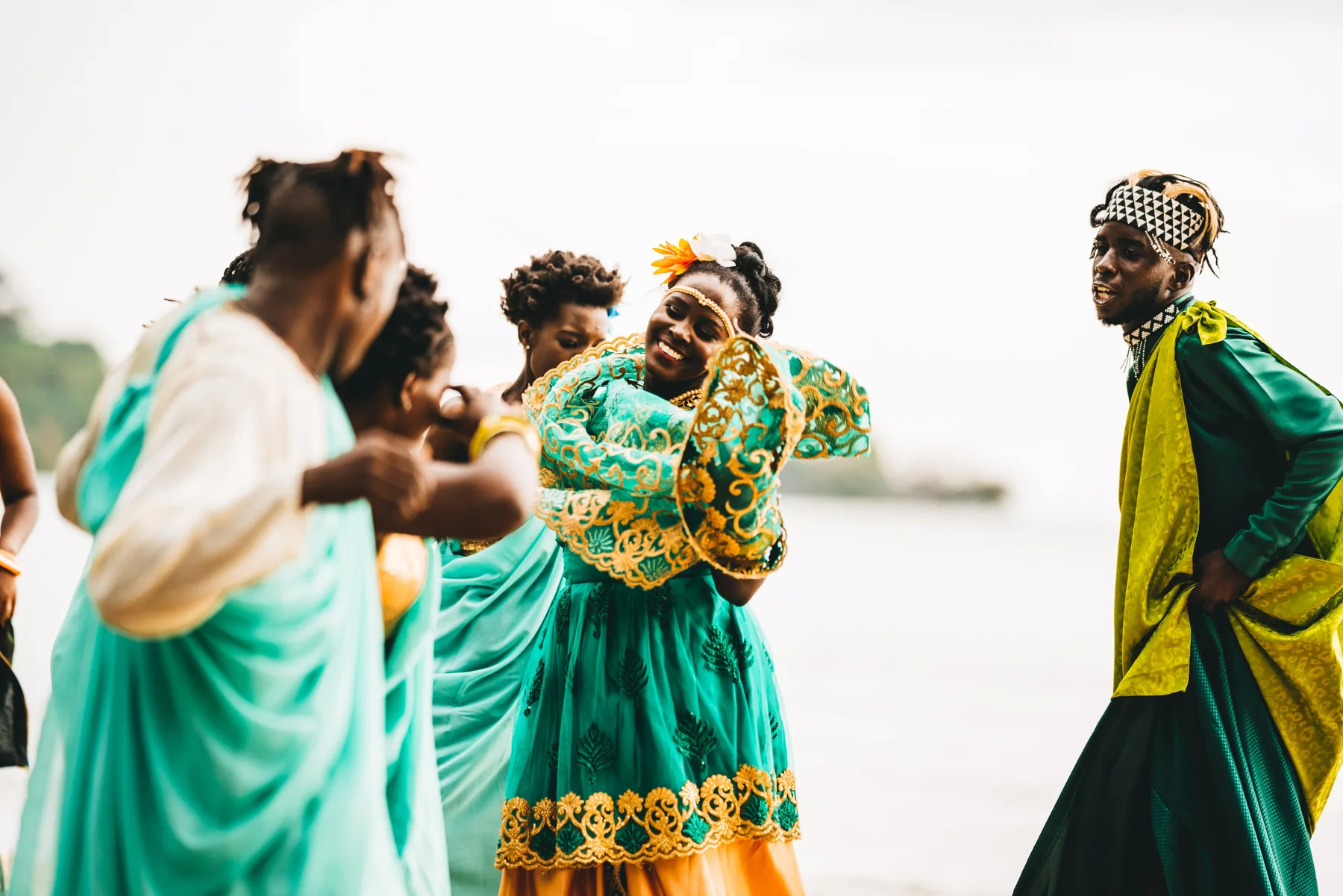
Before booking wedding photography, ask your venue and officiant for the ceremony’s photography rules, then review them with your photographer. Confirm permitted positions, movement, flash or other lighting, and any moments when photography must stop. Ask separately about the entrance, ceremony itself and exit.
Turn “photography is allowed” into a usable plan: which moment, from which permitted position, under which conditions? Keep unanswered questions visible until the person responsible for the rule confirms them.
This guide is for couples comparing coverage in Boston and Greater Boston, Portland, Maine, New Hampshire and New England. Start with the Boston wedding photography collection for Muyinza’s current service details.
Get specific answers
Six questions for the venue and officiant.
Send the actual ceremony location and room name, even if the reception is at the same address. Ask who confirms photography arrangements: the venue coordinator, the officiant, a ceremony coordinator, or more than one person. If their instructions differ, ask them to resolve the difference before you treat the plan as settled.
On a small screen, swipe the table sideways to read every question.
| Topic | Ask this | Record this |
|---|---|---|
| Positions | Where may each photographer stand during the entrance, vows and exit? | Specific areas or a marked room plan; any off-limits spaces. |
| Movement | Can photographers change position? Are there moments when they must stay still? | Permitted routes and times, including restrictions on crossing an aisle. |
| Lighting and sound | What are the rules for flash, continuous lights and camera sound? | Separate answers for each part of the ceremony. |
| People and equipment | Do photography and video teams count toward a room limit? Where may tripods or other equipment go? | Headcount treatment, equipment positions and clear access routes. |
| Sensitive moments | Are there parts of the ceremony that should not be photographed, or people who should not be photographed then? | The moment and instruction, described only as specifically as needed. |
| Arrival and handoff | Who should the photographers meet, when can they enter, and when must the room be clear? | Contact role, arrival window and any required briefing. |
These are questions, not a list of restrictions every venue imposes. If a rule is unclear, quote the exact sentence in your question. “No flash during the service” still leaves the entrance and exit to confirm; “photographers at the back” needs an actual position, not an assumption about what “back” means.
Read the rule for the actual place
Local examples show why one answer is not enough.
These official pages illustrate different kinds of guidance. They were checked on September 15, 2026. Confirm the current instructions for your own ceremony; these examples do not establish Muyinza’s experience at any listed venue.
- Boston City Hall: the Registry Department’s ceremony FAQ welcomes a photographer and permits pictures and recordings. That answers whether photography is welcome. Follow up about the team’s positions and equipment for your appointment.
- Boston College chapels: Campus Ministry’s wedding guidance bars photographers from entering the sanctuary, stopping the procession or obstructing guests and the wedding party. Ask which alternative positions are available.
- Saco, Maine: First Parish Congregational Church permits non-flash, available-light photographs during the service from the rear of the sanctuary or balcony. This example combines a lighting condition with a position limit.
- Keene, New Hampshire: the United Church of Christ’s wedding policy prohibits flash during the service, including for guests. It allows the official photographer to use natural light from pastor-approved locations and bars entry into the chancel during the ceremony.
Use the examples to shape your questions, not to predict another venue’s rules. A photograph taken at a different ceremony, or an older wedding at the same address, does not confirm the arrangements for yours.
Compare the actual plan
Ask what the permitted positions let your photographer see.
Choose a few priorities: your entrance, both faces during the vows, a family member’s reaction, an exchange of rings, or the walk back down the aisle. Ask your photographer how those priorities fit the allowed positions. A view of the aisle may not show the same expressions as a view from the side.
If movement is limited
Ask which view takes priority and what may be obscured by seating, standing guests, flowers or the other media team. Any proposed adjustment to room setup belongs in a conversation with the people responsible for that setup. A wish-list photograph does not create permission to cross a restricted area.
Two photographers may offer different views when two useful positions are allowed. Confirm both positions and assignments. If both people must remain in the same area, adding another camera does not create access elsewhere. Use the one-versus-two-photographer comparison for the wider coverage decision.
If flash is restricted
Tell the photographer the room, ceremony time and exact lighting instruction. Ask what relevant work is available to review and what differences to expect in your setting. The full-gallery review checklist helps you compare an indoor ceremony with another indoor ceremony rather than drawing conclusions from bright outdoor portraits.
Keep the conversation about the photographs and conditions you can assess. A particular camera or lens is not a promise that every expression, angle or detail will be visible. Ask which parts of your request are realistic and which remain uncertain.
If photographs pause during part of the ceremony
Clarify when the pause begins and ends, and how the instruction will reach the team. You can discuss a separate portrait or detail photograph before or afterward if time and access allow. That would be a separate photograph; it cannot recover a moment that was not photographed as it happened.
A planning example
Write the missing question beside the moment.
Fictional example: A couple planning a New Hampshire wedding learns that photographers must stay in designated rear positions during the vows. They want both partners’ expressions and a parent’s reaction. The couple has not yet confirmed the seating plan or whether the two photographers may stand on different sides.
Instead of writing “two photographers will cover everything,” they make a short plan:
- Vows: ask the ceremony coordinator to identify the permitted positions. Then ask the photographer which faces would be visible from each.
- Parent’s reaction: confirm the seating location and whether a clear view is possible without moving into a restricted area.
- Exit: ask whether the movement rules change when the couple starts walking out.
- Unresolved: leave the second position marked “to confirm” until the coordinator answers. Keep the photographer’s proposed assignment separate from the venue’s permission.
The result may be a different priority, a permitted alternative angle, or acceptance that one view is uncertain. Agreeing on that before the wedding is more useful than promising a photograph the room and rules may not support.
Put arrival, briefing and any separate portraits into your wedding photography timeline. If an outdoor ceremony moves inside, confirm photography arrangements for that room too; the rain-plan guide covers the separate questions about room use and availability.
Keep one shared reference
Download a ceremony photography brief.
For each priority moment, record the allowed position, lighting or movement conditions, the source of the answer, and the next question. Mark each item “confirmed” or “to discuss.” Include the date of the answer so an old document does not quietly become the plan for a changed room or ceremony.
Download the ceremony photography brief (TXT)The blank brief covers the entrance, vows or central ceremony, important reactions, any photography pause, and exit. It also leaves space for the coordinator’s instructions and a handoff with photography and video teams. You can edit it on your device; completing every field is not required to inquire.
Guest phones need a separate decision. If you want an unplugged ceremony, ask who will communicate that request. A guest-phone preference does not tell a hired photographer where they may stand or whether flash is permitted.
Muyinza Photography
Bring your ceremony questions to the first conversation.
I’m Muyinza, a Boston-based photographer serving Greater Boston, Portland, Maine, New Hampshire and New England. My wedding collection includes eight hours of coverage, two photographers, a complimentary engagement session, a 48-hour sneak peek, and a high-resolution online gallery with download rights.
Share your date, venue, ceremony setting and any rules you already have. Mention the moments that matter most, and ask how the permitted access fits the coverage. If you are still waiting for the venue’s answers, say so; you can start the conversation with the information you have.
Discuss your wedding photographyPlanning outside Greater Boston? See New England wedding photography and include your venue so travel can be discussed.