Second pass · Story
Scroll once without hunting for perfect portraits.
Follow the delivery from beginning to end. Do you get a sense of the people, relationships and events? Look at how the photographs move from a wider scene to individual expressions and back. Notice the quieter pictures you would want alongside the obvious favorites.
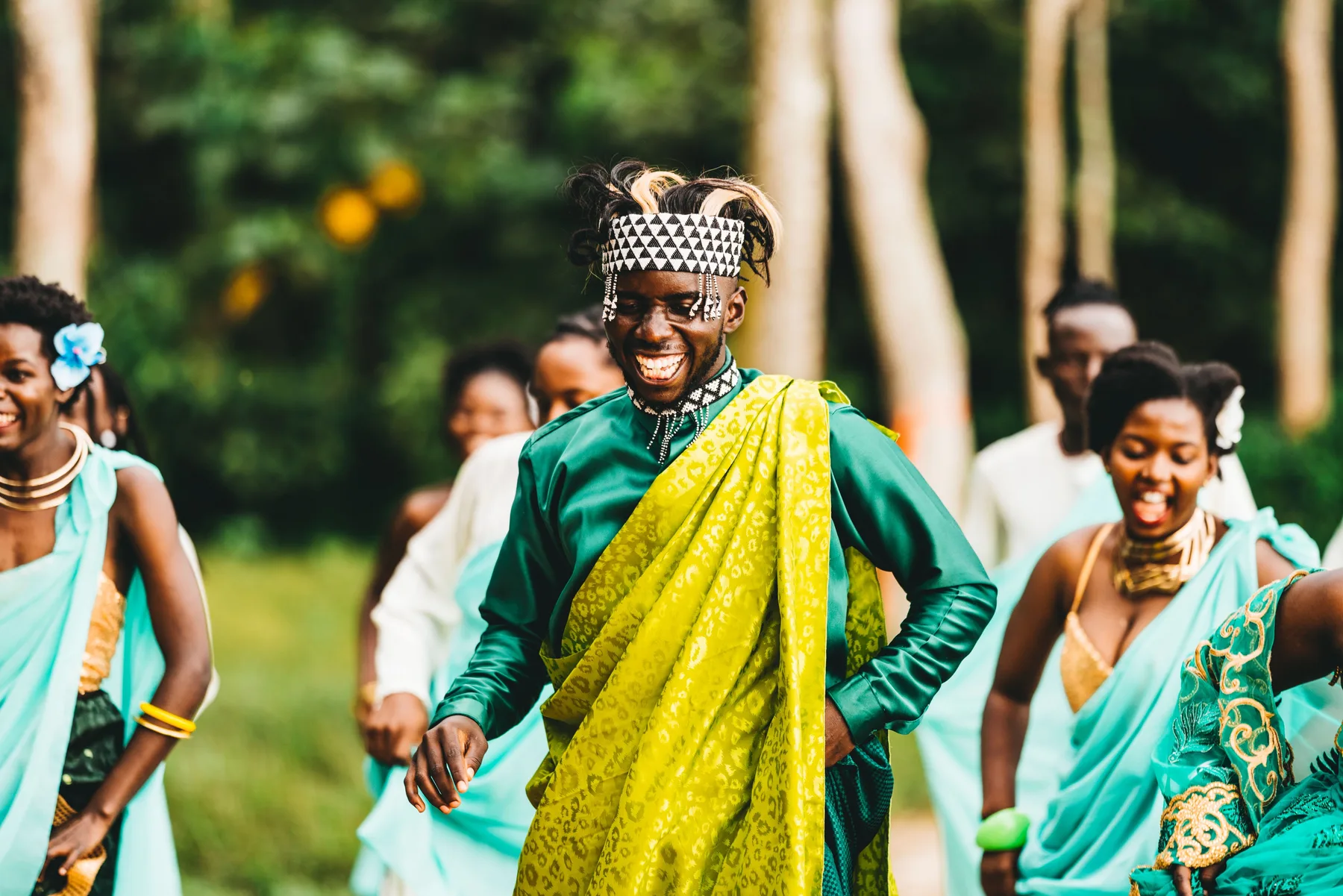
Then return to your priorities. If family connection matters most, inspect the group portraits and the interactions around them. If dancing is central to your celebration, spend time in the reception section. You do not need another couple to have your exact traditions; you need enough relevant work to ask how yours would be approached.
A missing moment is a question, not a verdict. It might have fallen outside coverage, been omitted from a shared version, or never happened at that wedding. Ask before concluding that the photographer missed it. Equally, a complete gallery cannot guarantee that every unscripted moment at your wedding will be photographed.
Try this: choose one photograph you would print, one sequence you would revisit and one part of the day you still cannot judge. Explain why each matters. Those three observations are more useful in a conversation than “we like candid photos.”
If public sharing matters to your decision, use the wedding photo privacy guide to discuss your own gallery access and image-use preferences before booking. Availability to view another couple’s work does not establish the arrangements for your photographs.
Still deciding what approach you want? The wedding photography style comparison and brief separates the guidance you want, the framing you like and the finished image treatment. Use it to describe preferences before judging how closely a gallery fits them.
If the gallery leaves you wondering how much of your own day fits, use the eight-hour wedding photography timeline examples. Keep the coverage decision separate from whether you enjoy the photographer's visual style.