Choosing your wedding team
Wedding photo and video: coordinating separate teams
Compare what each team needs before you book. Put shared moments, coverage hours and open questions in one brief, so you are not translating between two plans on the wedding day.
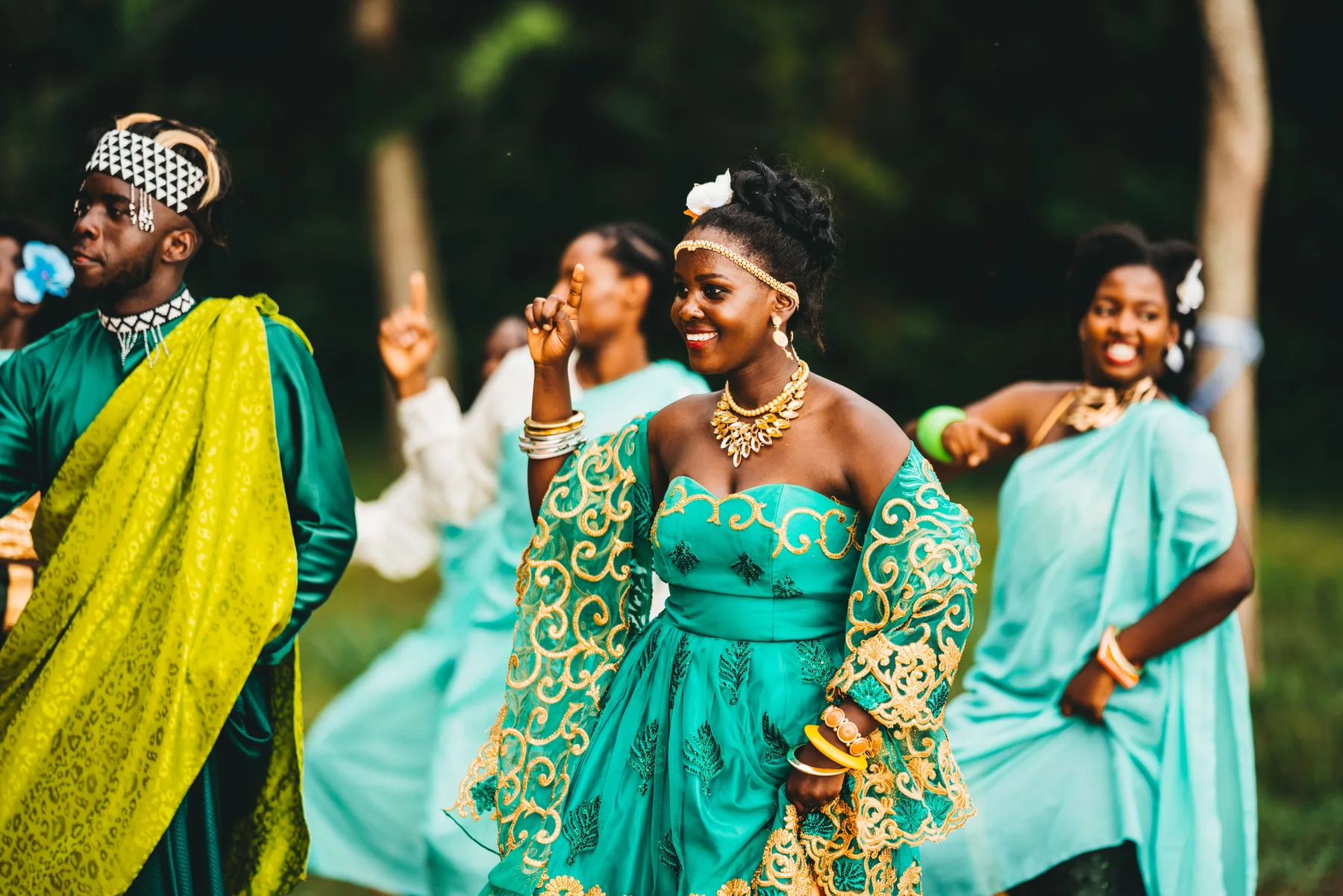
You can choose your wedding photographer and videographer separately. Before booking, ask both how they will share time, space and direction. Confirm who will attend, the hours each team covers, how they handle moments that happen once, and who will receive changes to the plan.
A shared brand name or a previous working relationship can be useful context. The decision still needs a clear answer: what will each team do during the moments that matter to you?
This guide is for couples planning in Boston and Greater Boston, Portland, Maine, New Hampshire and across New England. Muyinza’s Boston wedding collection lists photography coverage. Use this guide when comparing a separate video booking; it does not add a video service to that collection.
Start with the deliverables
Separate teams, one studio or hybrid coverage?
These labels describe different arrangements, but none tells you the whole scope. Ask who is making photographs, who is recording video and sound, and what you will receive. A highlight film and a recording of the entire ceremony answer different wishes.
On a small screen, swipe the table sideways to read all three columns.
| Arrangement | Why you might consider it | Question to resolve |
|---|---|---|
| Separate photography and video businesses | You can choose each portfolio and working style independently. | Who introduces the teams, shares the latest schedule and confirms any competing requests? |
| Photography and video through one studio | You may prefer one place to discuss both services. | Who actually attends, what does each person cover, and is there one agreement or more than one? |
| Hybrid photography and video coverage | You may be considering a person or team offering stills alongside motion clips. | Which moments are photographed, filmed or covered in both formats? Is continuous ceremony audio and video included? |
Boston photographer Mark Davidson’s hybrid coverage page, for example, distinguishes a highlight film from optional full-length recordings. That is a useful reminder to compare deliverables, rather than assume every “photo and video” proposal means the same thing.
Likewise, a second wedding photographer adds photography coverage. It does not establish that someone is recording a film or usable speech audio. Put those deliverables on separate lines in your package comparison.
Before paying a deposit
Ask both teams the same six questions.
- Who will be there, and during which hours? Ask about the assigned people, their roles and each team’s start and finish time. “Eight hours” on two proposals does not mean the hours overlap.
- How do you work with a separately hired team? Ask who makes the introduction and when both teams review the plan. If they have worked together before, ask what that changes in their preparation. If they have not, ask how they will establish contact.
- How much direction will you each want? Explain whether you welcome staged movement, quiet observation, guided portraits or a mixture. Ask how the teams will share portrait time without giving you competing instructions.
- What does each team need for vows and speeches? Ask the video provider about recording sound, microphone setup and any access they need to the DJ or venue sound system. Ask who confirms arrangements with the officiant, DJ or venue. Do not assume those people supply the other team’s equipment.
- What needs agreement about lighting and positions? Ask both teams to discuss any lights, fixed cameras and movement near the ceremony or dance floor. Give them the current venue instructions and your priorities; let them explain what is workable.
- How are changes handled? Ask who receives a revised schedule, who confirms the teams have seen it, and how an earlier speech or delayed entrance will be communicated during the day.
A useful answer names a person, a next step and anything still undecided. “We work well with everyone” is encouraging, but ask how that becomes a plan for your particular ceremony and reception.
Boston planner Jodi Raphael Events discusses the importance of the relationship between separately hired providers. In a Cape Cod Chamber article, videographer Sean Caughey describes introducing himself to unfamiliar photographers before the wedding. These are reasons to ask about the handoff, not evidence of a partnership with Muyinza.
A planning example
Two requests can fit individually and conflict together.
Imagine a Greater Boston couple has set aside 5:10–5:30 for portraits. Photography is expecting family groups; the separately hired filmmaker is expecting private messages from each partner. Both requests involve the couple, so both cannot have that whole window.
Original shared-brief example — fictional, not a Muyinza wedding:
- Priority: finish the named family groups and be back with guests at 5:30.
- Conflict: both teams currently expect uninterrupted time with the couple.
- Question for the teams: can the spoken messages move to another confirmed window, or should the couple change the portrait plan?
- Pending answer: the filmmaker’s available time and the couple’s preference. The messages have not yet been moved.
- Final handoff: record the agreed plan, who communicates it and the date both teams confirm it.
The point is not to prescribe a twenty-minute portrait session. It is to find a conflict while you still have choices. If neither request can move, the couple can decide which matters more, change the schedule with the people responsible, or revisit coverage before treating the plan as final.
Keep open questions visible
Download your photo and video coordination brief.
Download the photo and video coordination brief (TXT)The editable brief separates each booking’s scope, shared moments, sound and lighting questions, and the person responsible for confirming changes. It is a discussion tool, not a contract or a promise of particular coverage.
Start with a few priorities. You do not need a camera diagram or a finished schedule to inquire. Before calling a plan agreed, make sure both teams have answered the questions that affect their work. Keep gallery and film delivery dates separate too; one provider’s turnaround does not set the other’s.
Muyinza Photography
Tell me about the photographs and team you have in mind.
I’m Muyinza, a Boston-based photographer serving Greater Boston, Portland, Maine, New Hampshire and New England. My wedding photography collection includes eight hours, two photographers, a complimentary engagement session, a 48-hour sneak peek and a high-resolution online gallery with download rights.
Share your date, venue and photography priorities. If you have booked or are considering a videographer, mention the team, their coverage hours if known, and any shared moments you want to discuss. You can start while those details are still undecided.
Discuss your wedding photographyFor venues outside Greater Boston, see New England wedding photography and include the location so travel arrangements can be discussed.