Wedding planning · A choice before the schedule
First look or ceremony reveal? Choose what fits your wedding.
Start with how you want to see each other. Then check what that choice asks of the rest of the day.
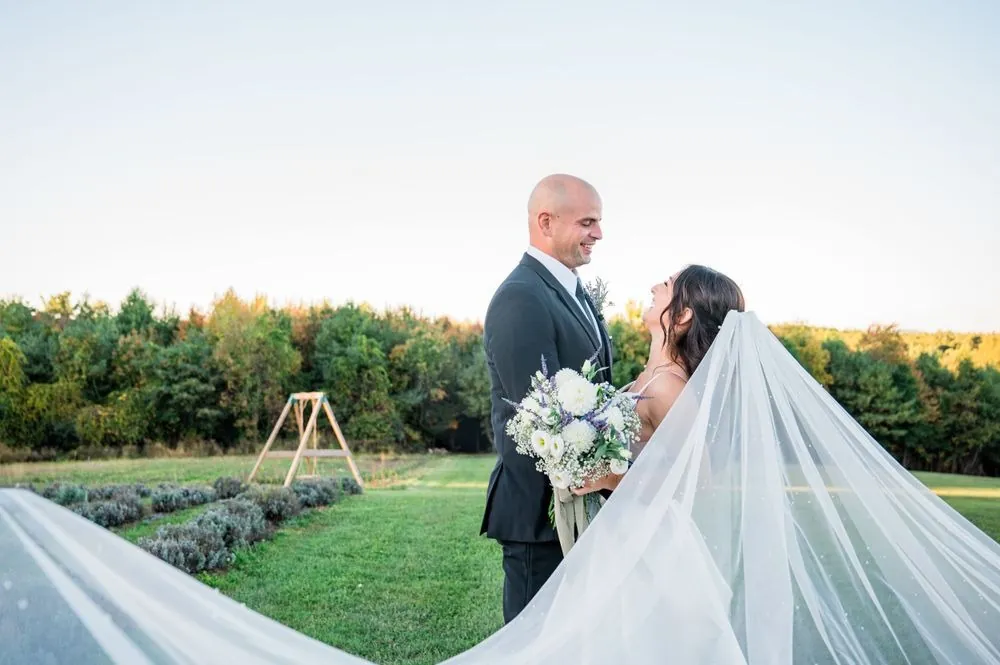
A first look is a planned meeting before the ceremony; a ceremony reveal keeps your first sight of each other for the ceremony itself. A first look may create an opportunity for earlier couple portraits. Waiting means those portraits together happen afterward. Neither choice guarantees a particular reaction, more photographs or a free cocktail hour. Choose your preference, then test the actual plan.
I’m a Boston-based wedding photographer serving Greater Boston and New England. For my work and an inquiry, start with Boston wedding photography. This guide helps you decide between two ways of arranging your first meeting; the wedding photography timeline guide turns that decision into a wider schedule.
What actually changes
Compare the arrangements, not the promised emotions.
A photograph cannot tell you how a different choice would have felt. Instead of predicting tears, nerves or surprise, compare the practical conditions each option needs.
On a small screen, swipe the table sideways to compare both choices.
| Decision | First look before the ceremony | First sight at the ceremony |
|---|---|---|
| Who is present? | You choose whom to invite, subject to the space and access arrangements. Photographers or video crew may still be present. | The first sight happens within the ceremony, with the people and photography access that ceremony allows. |
| Getting ready | Both partners need to be ready and able to reach the meeting place before the ceremony. | You can prepare separately; arrivals and waiting areas need to preserve the choice not to see each other. |
| Portraits together | Some may happen beforehand if time, people and locations are available. | Couple portraits together happen after the reveal. Separate portraits can still happen earlier. |
| Family photographs | Only the groups who can actually arrive and be ready early can move earlier. | Shared groups can be planned after the ceremony; give each person a clear meeting point. |
| Time with guests | Depends on what photography and travel remain afterward. | Depends on the portrait priorities and the interval before the next fixed event. |
| Light and setting | Check the proposed earlier setting, its light and whether you can use it. | Check the light and available spaces after your actual ceremony, including an indoor alternative. |
Begin with both people
Write down what matters before solving the logistics.
Each of you can finish this sentence separately: “When we first see each other, I want…” One person may want space to speak without an audience. Another may value seeing their partner arrive during the ceremony. Both answers belong in the conversation before anyone rearranges hair, makeup, transport or family arrival times.
Then name what you want from the photographs. Do you want the meeting documented with little interruption? Would you like guided couple portraits immediately afterward, or a pause before the camera work continues? “Private” also needs a definition: just the two of you, the two of you with photographers nearby, or a small circle of people. Do not assume everyone means the same thing.
If the preferences differ, describe the reason behind each one. Preserving a ceremony tradition and wanting time to talk together are different needs; there may be a way to respect both. No one needs to perform a reaction for the photographs, and a quieter response does not make the moment less meaningful.
Make the choice workable
Check these six dependencies before moving portraits.
- Ceremony and tradition. Confirm the ceremony time, any private preparation requirements and the traditions you want to preserve. Ask the venue or officiant about photography access rather than assuming a preferred angle will be available. The ceremony photography questions help separate wishes from confirmed permissions.
- Readiness. Work backward from the proposed meeting. Both partners need their clothing, preparation and transport ready. If one preparation appointment ends too late, moving the first look earlier on paper does not solve that conflict.
- Space and routes. Confirm when you may enter the chosen area, how each person reaches it and where guests will be. A courtyard, hotel corridor or garden is not private simply because it looks quiet in a photograph. Ask who can confirm access and what happens if the space is occupied.
- People. Name the family and wedding-party combinations you hope to photograph early. Check each person’s arrival and readiness instead of treating “family photos” as one available group. Use the named family-photo worksheet for the combinations.
- Light and weather. Review your date and exact locations with the photographer. An earlier meeting does not automatically mean better light. A later ceremony may leave a different portrait setting available than the one you pictured. Discuss an indoor or sheltered alternative and its access; use the rain-plan questions for that separate decision.
- The next fixed event. Identify the reception entrance, meal or other commitment you must reach afterward. Decide which photographs and guest interactions take priority between the ceremony and that event. Include getting between locations in the conversation.
For a Boston wedding, list the actual preparation, ceremony and reception addresses. The same check applies to a celebration in Portland, Maine or New Hampshire: nearby-looking locations on a map are still separate stops. Share the route and ask about the coverage it needs; this guide does not establish travel time or access to any venue.
Keep the purpose in view
A private moment does not have to be a first look.
If you want to wait until the ceremony but also want a moment of connection beforehand, consider exchanging letters separately or speaking without seeing one another. Some couples call a meeting without seeing each other a “first touch.” It still needs a suitable space, separate routes and a clear plan for the people helping you.
Decide whether you want that exchange photographed and whether any spoken words need to be recorded. Tell the photographer and your separately hired video provider what matters; sound recording is a question for the relevant provider. The photo and video coordination guide covers shared moments without assuming the services are bundled.
You can also choose a first look without moving every group portrait before the ceremony. Keep the couple’s meeting and the family schedule as separate decisions. That gives you a more accurate plan than choosing a label and assuming all the other arrangements follow automatically.
A decision you can discuss
Mark each part: preferred, confirmed or still open.
Make three short lists. Under preferred, write how you want to meet and what you want photographed. Under confirmed, put the ceremony time, access and arrival arrangements you actually know. Under still open, identify the unanswered question and who can answer it. A preference is useful even when the schedule is not final.
A fictional planning example
A couple wants a quiet first look and hopes to join guests immediately after the ceremony. Their siblings can arrive early, but their grandparents will arrive for the ceremony. The first look may suit the couple’s preference; it does not move the full family photograph earlier. They can plan some portraits beforehand and reserve a shared family group afterward, then discuss which guest time remains. The missing fact is family availability, not whether a first look is “better.”
Download the first-look decision brief (TXT)Send the outline with your date, venue or shortlist, and the first and last moments you hope to have photographed. My wedding inquiry guidance explains the details to include. Ask how the chosen plan fits the collection you are considering, and confirm availability and scope before booking.
First-look questions
What to settle before the wedding.
Do we have to do a first look for wedding photographs?
No. A first look is one way to arrange the day, not a requirement for meaningful photographs. If you want to see each other at the ceremony, plan the couple portraits and any shared group photographs around that choice. Discuss the actual ceremony time, locations and priorities before deciding on coverage.
Will a first look mean we can attend all of cocktail hour?
Not necessarily. It depends on which photographs are completed beforehand, who is available, travel, ceremony timing and what remains afterward. Name the portraits you want and check when each group can be present. A first look alone does not reserve the whole cocktail hour for you.
Can we have a private moment without seeing each other?
You can discuss an alternative such as exchanging letters separately or speaking without seeing one another. Check that the space, routes and people helping with the plan can preserve your preference. If photography or recorded sound matters, confirm those arrangements with the relevant providers.
What should we send Muyinza if we have not decided?
Send your date or date options, venue or shortlist, ceremony time if known, each partner’s preference and the photographs or guest time you most want to protect. Say which access, readiness and family-arrival details are still unknown. You can inquire before the reveal choice or schedule is final.
Your people. Your priorities.
Tell me how you want the day to feel.
Share your date, venue or shortlist, and whether you are leaning toward a first look, a ceremony reveal or still deciding. Include the portraits and time with guests that matter most.
Discuss your wedding photographsBased in Boston, Massachusetts, serving Greater Boston, Portland, Maine, New Hampshire and New England. You can inquire before your schedule is finished.