Maternity photography · Who joins the session
Maternity photos:solo, with a partneror with your children?
Choose the relationships you want in the photographs, then make room for the portraits that are just for you.
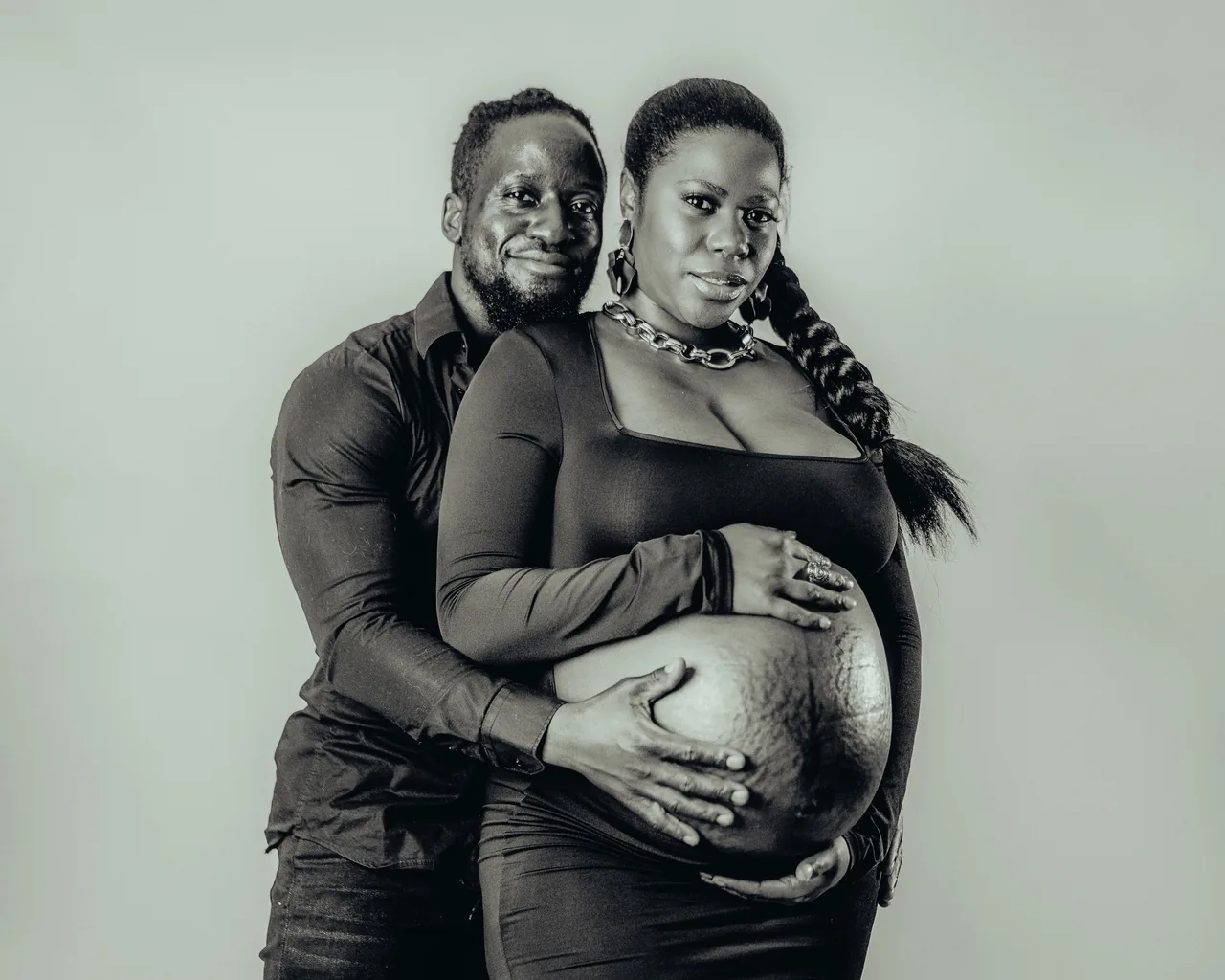
Choose solo maternity portraits if you want the attention on your own experience. Include a partner if pictures of the two of you matter, and discuss bringing older children if you want to show the family before it changes. You can ask for a mixture. Agree on the people, priority photographs and session scope before assuming every combination will fit.
I’m Muyinza, a photographer based in Boston. My family photography page includes maternity work alongside family and newborn photographs. This guide helps you describe the session you want, whether you have a clear plan or only know that you would like some photographs before the baby arrives.
Start with the photographs
Who belongs in this session?
If you would like someone to attend only for support, ask about that when you inquire. Someone you want photographed may be needed for only part of the plan. Tell the photographer which role each person has; a head count alone does not explain the session.
On a small screen, swipe the table sideways to compare the options.
| Your starting point | What you want to remember | What to clarify |
|---|---|---|
| Solo portraits | Your expression, silhouette and experience of pregnancy. | Which kinds of portraits you want, your clothing preferences and whether a support person will come. |
| With a partner | The two of you together as well as individual portraits. | Which shared pictures matter and whether solo portraits remain a priority. |
| With older children | Your relationships with the children and a photograph of the family together. | Children’s ages and routines, who looks after them between photographs, and which combinations matter most. |
These are planning choices, not package names. Photographers arrange participation differently. For example, Beth Miga’s maternity collections distinguish an individual session from a collection that includes family. Check the scope of the offer you are actually considering rather than transferring another photographer’s inclusions to it.
Give the plan an order
Choose a first picture, a shared picture and an optional picture.
“A little of everything” is understandable, but it does not tell the photographer what you would miss most. A short priority list is more useful than a long list of poses.
- Your first picture: the photograph that makes this feel like your maternity session. That could be an individual portrait, a close picture with your partner or everyone gathered together. Describe the people and feeling, without needing to know a pose.
- Your shared picture: one relationship you want represented. It might be your child leaning against you, your partner beside you, or a quiet portrait with another person important to you. If no shared picture is wanted, say that too.
- Your optional picture: a variation you would enjoy if it fits. An extra outfit, another group or a second backdrop belongs here unless it is the reason you are booking.
Then mark anything you do not want: a bare bump, certain kinds of touch, sitting on the ground or a particular prop. You do not need to explain personal reasons. A reference image can help if you say what you like about it, such as the close framing or the simple background, instead of requesting an exact copy.
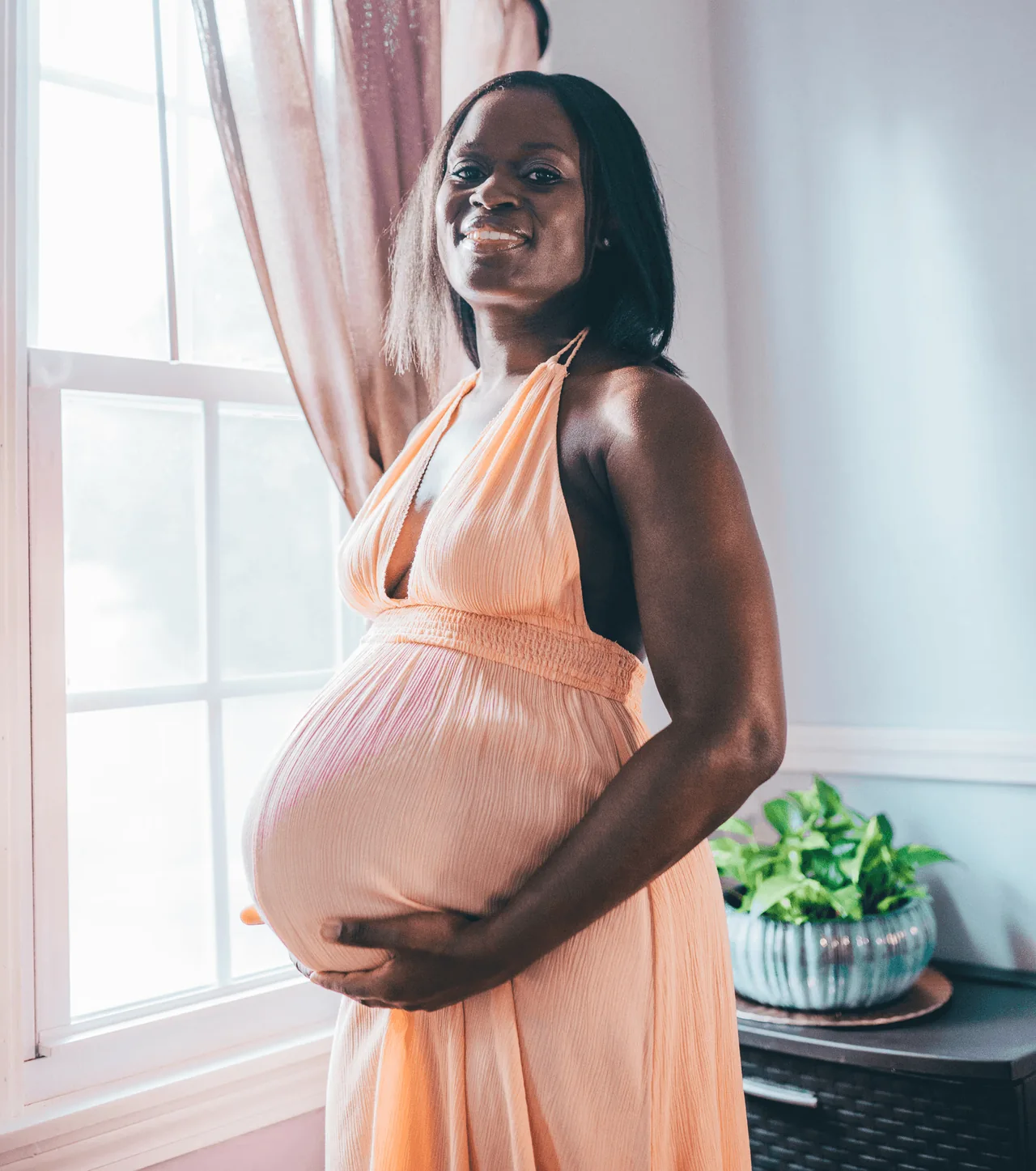
A solo portrait does not become less important because your family is coming. Put it on the list explicitly. Likewise, choosing an individual session does not require you to justify leaving other people out of the photographs.
When older children join
Plan what happens between their photographs.
Including children changes more than the number of faces in a group. While you are being photographed alone, someone needs to look after them. During a couple portrait, both adults may be in the frame. Discuss that gap before the session rather than assuming the photographer can supervise at the same time.
- Name the adults and their roles. If another trusted adult might help, ask whether they can attend and where they would wait. Location access and the agreed group size still matter.
- Share the useful time window. Mention meals, rest, school pickup or a fixed departure. These help shape a proposed sequence; they do not guarantee how a child will feel on the day.
- Choose a manageable interaction. Holding a hand, sitting nearby or sharing a familiar book can describe the connection you want. A child does not need to perform a particular gesture for the photographs to have meaning.
- Agree on a flexible priority. If a child needs a break, which photograph could happen next? Decide whether an individual portrait, a different pairing or a pause would be a useful alternative.
Ask the photographer to propose the order. Photographing the whole family first may fit one plan; starting with solo portraits while the others arrive later may fit another. Separate arrival times need agreement and a reliable handoff. Do not build the day around an unconfirmed early departure.
If grandparents or several households are also joining, that is a larger grouping question. Use the extended-family planning guide and explain whether your main goal is maternity portraits or a broader family gathering.
A fictional planning example
One parent, one partner and a preschooler.
A parent wants a simple solo portrait and one picture with their partner and child. The partner also wants a photograph of the two adults together. The child usually needs a meal shortly after the proposed start.
The useful inquiry is: “My first priority is a solo maternity portrait. I’d also love one photograph of all three of us. A couple portrait would be a bonus. Our child needs lunch around this time; can we discuss an earlier start and who should be present for each part?”
That gives the photographer a decision to work with. If the adults want a couple portrait, they still need an agreed plan for their child during that part. If the available time cannot support everything, they can protect the first two priorities and change the optional picture.
This is an invented example, not a client story or a suggested session duration. Its purpose is to show how priorities and practical details lead to a clearer booking conversation.
Let the people shape the setting
Make the location and clothing fit the plan.
A solo portrait and a family group may need different space. Before choosing a backdrop, describe who needs to fit, whether seating matters and how far everyone can comfortably walk. For Boston and Greater Boston sessions, include the exact location if you have one. If you are considering Portland, Maine or New Hampshire, name the town so travel and availability can be confirmed.
The home versus outdoor family photo guide covers setting decisions in detail, and the Boston park-permit notes explain where to start checking access. A photograph with a plain backdrop does not establish that a studio rental or a particular setup is included.
Choose clothing you want to be photographed in and can move in comfortably. If you want an outfit change, ask how it fits the location and sequence. The portrait clothing guide can help you test an outfit; it is not a list of wardrobe items supplied with your session.
Your next step
Tell me who is coming and what matters first.
Send your town, preferred date window, everyone you hope to include and the photographs you want most. Add any walking, seating or scheduling needs, whether someone will come only to help, and any deadline for receiving images. You can leave the location undecided.
Use the maternity option in the inquiry form and put these details in your message. We will confirm availability, participation, setting, scope and the written quote before booking. If you are also interested in newborn photographs, mention that as a separate planning question; do not assume a combined booking or discount.
The brief below is editable and has no required answers. Use it to collect your thoughts, then send the details that matter to your session.
Download the maternity session brief (TXT) Discuss your maternity sessionMaternity session questions
Do I need to bring a partner to maternity photos?
No. You can ask for an individual maternity session. If someone would come only to support you, explain that separately from who you want photographed, and confirm attendance with the photographer.
Can I ask for both solo and family maternity portraits?
Yes. Describe both when you inquire and say which photographs matter most. Confirm the people, combinations and scope before booking; a general session description does not guarantee that every requested variation is included.
What should I plan if older children join?
Share their ages, useful time window and any practical needs. Discuss who will look after them during solo or couple portraits, which pictures come first and what can change if they need a break. Agree on any separate arrival or departure plan.
What should I put in a maternity photography inquiry?
Include your town, preferred date window, who would be photographed, anyone attending only to help, and your priority pictures. Mention access or scheduling needs and any image deadline. Your location can still be undecided; participation, scope and the written quote are confirmed before booking.
Sources and scope
Participation questions appear in Beth Miga’s maternity collections and Fiona Schubeck’s pregnancy-session choices in Portland, Maine. These are independent examples of how photographers describe their own sessions; their inclusions and policies are theirs. Muyinza’s service details and photographs come from the current family and maternity page. The priority exercise, fictional example and editable brief are original planning tools.