Family photography · Choosing a setting
At home or outdoors: where should your family photos happen?
Start with the people and the pictures you want. The right location is the one that supports both.
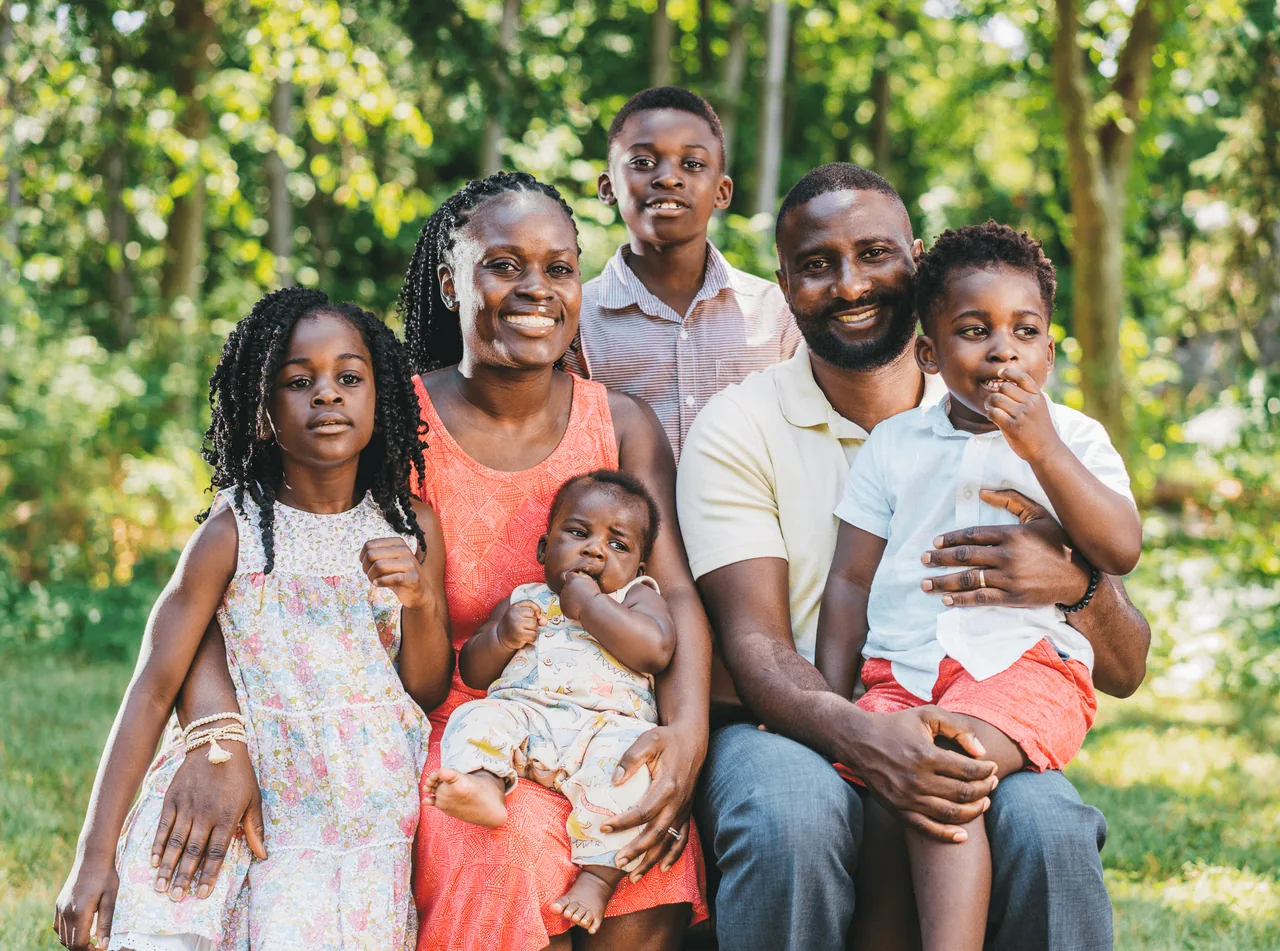
Choose at-home family photos when the rooms, routines or familiar surroundings matter to the story. Choose an outdoor location when the setting itself, open space or an activity there matters more. Then check whether everyone can comfortably reach and use that space at the proposed time. Neither option automatically produces more relaxed children or better photographs.
I’m Muyinza, a photographer based in Boston, Massachusetts. My Boston family photography service includes sessions at home, in the backyard or outdoors across Greater Boston, with the location, scope and written quote confirmed before booking. This guide helps you compare those choices without needing to have a perfect room or a favorite park already picked out.
Three useful options
Home, backyard or a separate outdoor location?
“At home” and “outdoors” overlap. A backyard session may give you greenery without a car journey, while a home session might concentrate on one room. Compare the actual places you are considering.
On a small screen, swipe the table sideways to compare the options.
| Setting | A reason to choose it | A question to settle |
|---|---|---|
| Inside your home | Include a favorite room, reading together or a familiar place to cuddle. | Which area has workable light, room for the people and enough space for the photographer? |
| Your backyard | Keep the setting personal while photographing outside near home comforts. | Where can everyone gather, what will be behind them, and what changes if the ground is wet? |
| Park, garden or another outdoor place | Make a chosen setting or an activity away from home part of the photographs. | Can everyone reach the exact spot, is photography permitted, and what is the plan if it is busy or unavailable? |
The setting does not decide whether every photograph is posed or candid. You can ask for a group portrait inside and moments of connection outside. If your main question is how newborn images are made, the lifestyle versus posed newborn guide separates photographic approach from location.
A decision you can make now
Name one photograph, one limit and one alternative.
Use these three lines before comparing scenery. They make a useful shortlist even if you have never booked family photographs before.
- The photograph: describe one image you would be disappointed to miss. “All of us on the couch where we read” points toward home. “Everyone together with trees behind us” could work in a yard or another outdoor space. “The grandparents with each grandchild” makes gathering space and seating more relevant than a distant view.
- The limit: name the practical condition the plan needs to respect. That might be a short walking distance, step-free access, a place to feed or change a baby, a fixed departure time, or a child’s usual meal and rest routine. Describe the need without sharing private medical details.
- The alternative: identify what you are willing to change. Could the backdrop change while the people stay the same? Is another date possible? Would one setting be enough? A flexible choice here makes the next conversation more useful.
A fictional example: the trees are optional, the grandparents are not.
A family wants everyone together beneath trees. One grandparent needs a nearby seat, and the preferred park spot requires a long walk from parking. Their backyard has less open scenery but a shorter route from the house.
The useful inquiry is: “Our priority is the whole family together, with seating nearby. Could the backyard work, or is there another accessible outdoor spot?” The photographer still needs to assess the space. The decision is based on the photograph and access requirement, not a promise that the yard will work.
When several households are joining, use the extended-family planning guide for shared availability and group priorities. This setting comparison does not replace confirming how many people and combinations the session can cover.
If home is on the shortlist
Assess the space before preparing the whole house.
Think about the part of home you want in the pictures. Is it the couch, a child’s room, the kitchen table or a small corner where people naturally gather? A meaningful space does not need to resemble a showroom. What matters is whether the requested photographs can be made there with the people who are coming.
- Describe the light at the proposed time. Tell the photographer which windows serve the room and whether direct sun reaches it. Ask whether a few room snapshots would help assess it; do not assume your phone’s exposure proves how a finished portrait will look.
- Describe the usable space. Include seating, narrow passages, stairs and anything that cannot be moved. A full family group needs a different arrangement from two people cuddling a baby.
- Choose what stays in the frame. Books, toys or familiar furniture may be part of the picture you want. Say if you would prefer a simpler background. Ask what small area needs clearing before reorganizing the house.
- Plan who is present. Mention pets, other household members and any rooms you want kept private. Including a pet or an activity should be discussed as part of the session.
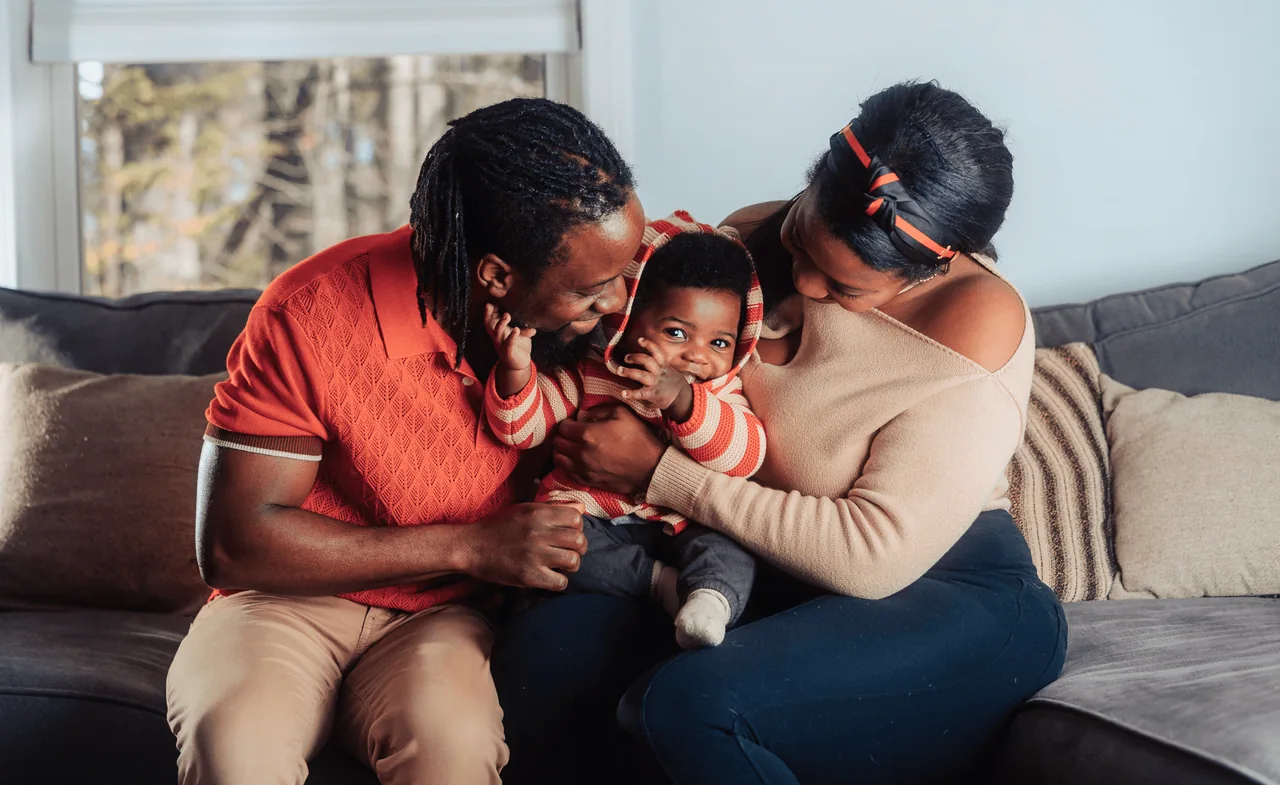
Home removes some travel, but it does not remove every dependency. The room still needs to fit the group and the requested pictures. If you want indoor portraits followed by the backyard, describe both before booking so the sequence and scope are clear.
If outdoors is on the shortlist
Check the route, the time and the alternative.
A location name is only the start. “Meet at the park” leaves open which entrance, how far people will walk and where you can gather. For a Boston or Greater Boston session, discuss the exact meeting point and the route to the picture location.
- Access: check parking or drop-off, steps, surfaces, seating and the distance everyone will need to travel on foot. If a restroom or changing space is important, verify its availability for the proposed time.
- Timing: compare the suggested light with your family’s usable window. Share meal, rest and departure constraints before accepting a time because someone else’s gallery looked good at sunset.
- Use of the space: confirm the location’s current photography rules, permission requirements and any restrictions that affect your plan. Public access does not answer every question about a professional session.
- Changes: discuss weather, crowds or loss of access, who makes the call, and when you will hear the decision. Any alternative location or date needs to fit your agreement.
A covered area is not automatically a complete backup: it may be occupied, restricted or too small for your group. Likewise, adding a separate park after photographs at home involves travel and another arrival. Ask whether the two settings fit the proposed session; do not plan around an unconfirmed extra stop.
From shortlist to inquiry
Send a location idea, even if it is undecided.
Tell me your town, who is coming, one photograph you want most and the practical needs the setting should meet. Include the date or preferred period, any image deadline, and whether home, the backyard or another outdoor location is your first choice.
If you are considering travel outside Greater Boston, name the town so it can be confirmed. There is no need to choose a collection or assume a session length before describing the plan. Your setting, scope and written quote are confirmed before booking.
The editable brief lets you compare two places using the same questions. Leave unknown answers blank and bring them to the conversation.
Download the family location brief (TXT) Discuss your family sessionFamily photo location questions
Is home or outdoors better for family photos?
Choose the setting that fits the photographs you want and the people coming. Home can keep familiar rooms and routines in the pictures; an outdoor location can provide a different backdrop and room to move. Compare usable space, access, timing and the backup plan before deciding.
Does our home need to look like a magazine?
No. Start by naming the room or ordinary activity you want remembered, then discuss whether the available light and space fit the photographs. Ask which small areas need preparation. A smaller home is not automatically unsuitable, and a large home does not automatically solve lighting or group-space needs.
Can a family session include both indoors and outside?
Discuss both settings before booking. A room and backyard at the same home involve different logistics from home plus a separate park. Explain which photographs depend on each setting, how everyone would move between them and which part matters most. Confirm what the agreed scope includes.
What happens if the weather changes for outdoor family photos?
Ask who makes the decision, when you will hear from them, and which alternatives are available under your agreement. A different date, an approved covered spot or an indoor setting may each require a separate arrangement. Do not assume that a porch, public building or home is an automatic substitute.
Sources and scope
For independent examples of location decisions, see Léa Jones’s family-session location guide, Lyndsay Hannah’s Boston location considerations and Jenni with an Eye’s family-session questions. Their services and policies are their own. The three-line decision exercise, fictional example and downloadable brief here are original planning tools. Muyinza’s service details come from the current family photography page.