Personal portraits · Clothing and preparation
What to wear for a portrait session
Start with the picture you want to keep. Then choose clothes you can enjoy wearing while we make it.
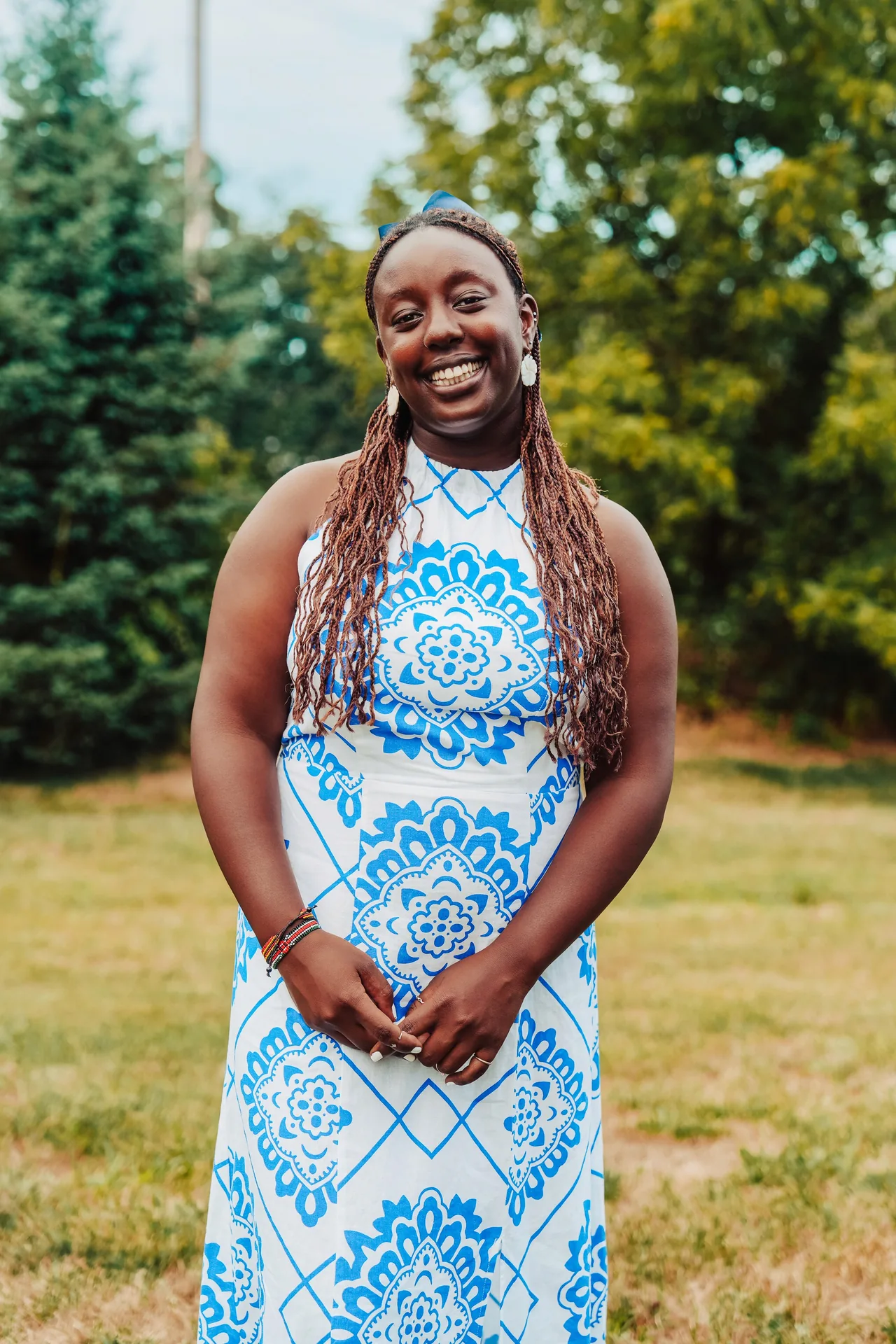
Wear something that feels like you, fits the setting and lets you move without constant adjustment. Start with one complete outfit, including shoes. Add a layer if you want a different feel without a full change. If two distinct outfits matter to the photographs, discuss changing space, privacy and session time before booking. There is no universal color or outfit count that suits every portrait.
For photographs and session information, start with Boston portrait photography. This guide helps you make clothing decisions for an individual portrait, a personal milestone or a photograph with someone close to you.
Variety with a purpose
One outfit, a layer, or a full change?
More clothes do not automatically create a better set of portraits. Decide what each change would add. A jacket removed for a closer portrait may meet your needs; a formal outfit and a casual outfit may tell two stories you want to keep. Those are different session plans.
On a small screen, swipe the table sideways to compare the options.
| Plan | Useful when | What to settle first |
|---|---|---|
| One complete outfit | You want a consistent set, with variety through expression, framing and position. | Whether the outfit works for the close, seated and wider photographs you want. |
| One outfit with a removable layer | A jacket, cardigan, scarf or other personal item changes the feel enough for you. | How the outfit looks both ways, where the extra item goes, and whether assistance is needed. |
| A full outfit change | The second outfit has a clear purpose, such as a different level of formality or a meaningful celebration garment. | A suitable private place, access to it, changing time, belongings and whether the plan fits your booked session. |
Do not plan a full change around an assumed public restroom, nearby business or photographer’s studio. A space being nearby does not make it available or appropriate. If changing is difficult or needs assistance, say what arrangement would work for you; you do not need to explain a diagnosis.
Give each look a job
Choose the photograph before the second outfit.
Write down where the image will live: a framed print, a gift, an announcement or your own collection. Then describe the framing. In a close portrait, the neckline, collar and anything near your face will be prominent. In a wider picture, shoes and the full outline of the outfit become part of the composition.
Use a short sentence for each look: “A relaxed portrait in the clothes I wear most,” or “A full-length photograph of the outfit I wore to celebrate.” If both outfits serve the same purpose, consider whether a layer or a different framing would give you enough variety.
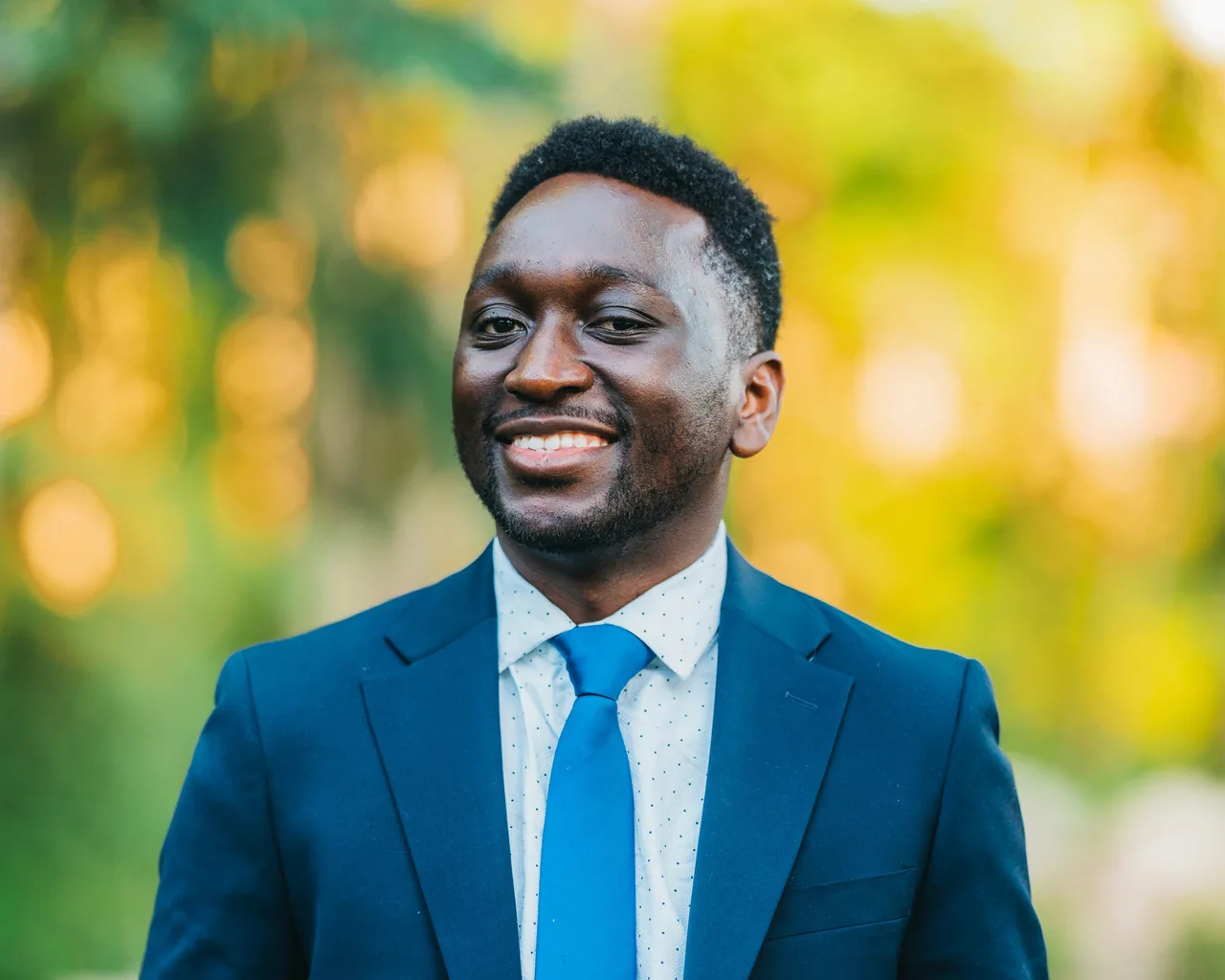
For graduation, check the outfit both with and without the gown if you want both versions. The graduation planning guide covers the separate question of ceremony dates, regalia availability and visiting family. For a couple, decide how formal you both want to feel; the engagement-session guide covers the wider session plan.
A useful check at home
Test the complete outfit, then make one decision.
Try everything together, including the shoes, layers and accessories you intend to wear. This is not a test of your body or your ability to pose. It is a way to find clothing that needs attention before the camera comes out.
- Sit and stand. Notice whether a waistband, hem, collar or jacket needs repeated adjustment. Decide whether that is easy to manage or whether another garment would feel better.
- Move as the session may require. Try a comfortable walk, turning and placing your hands where they naturally rest. You should not have to hold yourself rigid to keep an outfit in place.
- Check the small details. Look for visible tags, loose threads, lint and pockets filled with bulky items. Decide which watch, glasses, jewelry or other everyday details you want in the portrait.
- Look at a close and a wider view. A mirror or a simple phone picture can help you compare the outfit as a whole. It is a planning aid, not a preview of the photographer’s lighting, color or finished work.
- Choose: keep, adjust or replace. Keep what works, fix a specific issue, or try a different item. Avoid turning a small clothing problem into a last-minute shopping project.
If a garment is culturally meaningful, sentimental or central to your identity, include that in the plan. The goal is to photograph you in clothes you value, not to make everyone fit the same style. Mention any movements or adjustments you would prefer to avoid.
Consider the whole frame
Choose color and pattern in context.
There is no need to treat “wear neutrals” or “never wear patterns” as a requirement. The patterned dress at the top of this guide is part of the portrait’s character. Decide whether you want the clothes to be a noticeable feature or a quieter part of the picture.
Compare two possible outfits against the setting you have in mind. A patterned outfit and a detailed background give the eye several things to explore. A simpler background may give a favorite pattern more space. Similar clothing and background colors can feel cohesive; a stronger difference can make the outfit more noticeable. Neither is automatically the right result.
Bring the question back to a reference image: what do you like about the balance between the person, the clothes and the surroundings? Describe that instead of trying to copy a color formula for your skin tone. A few clear preferences are more useful than a long list of rules.
Plan outerwear and footwear as part of the session.
For Boston and Greater Boston, start with the actual setting, date and planned walking route. If you expect to need a coat or another warm layer, consider whether you would enjoy photographs wearing it. Do not rely on being comfortable without it for every picture. Discuss an alternative if the conditions do not fit the plan.
If you bring different shoes for walking, include a way to carry them and tell the photographer when you want to switch. Check the walking surface and access arrangements before choosing a route around a particular outfit. For sessions elsewhere in New England, including Portland, Maine and New Hampshire, share the exact proposed location so travel and access can be discussed.
Turn choices into a workable request
Send the outfit plan with your inquiry.
You can inquire before the clothing decision is finished. Describe the photographs you want and the question you are trying to solve. Use these prompts:
- Purpose: the occasion, who will be photographed and where the pictures will be used.
- First outfit: what you want to wear and why it matters.
- Any change: a removable layer or a full second outfit, and the picture it adds.
- Setting: your preferred location, likely walking and any changing space you have actually confirmed.
- Comfort: seating, assistance, privacy or movement preferences relevant to the plan.
- Questions: the session scope, time, changing arrangements and delivery deadline to confirm before booking.
A fictional example
Someone wants a relaxed portrait in a favorite sweater and a full-length image in a celebration outfit. They have picked an outdoor path but have no confirmed place to change. The next decision is practical: ask about a suitable space and enough session time, choose a different setting, or prioritize one look. Packing both outfits does not resolve the missing arrangement.
Download the portrait outfit planning brief (TXT)My portrait preparation guidance explains how to bring these choices into the booking conversation. Outfit count, changing arrangements and session details are confirmed for your booking; this guide does not add wardrobe or styling services.
Portrait outfit questions
A few things you may be wondering.
Do I need to buy new clothes for portraits?
No. Start with clothes you already enjoy wearing and try the complete outfit before the session. A new purchase is only useful if it fits your purpose and feels comfortable when you sit, stand and move. You do not need a new wardrobe to make a personal portrait.
Are patterns or bright colors a bad choice?
Not automatically. Look at the whole picture you want: the person, clothing, background and framing. A pattern or bold color may be part of what makes the portrait feel like you. Compare options rather than assuming one palette works for every person and setting.
How many outfits can I bring to a Muyinza portrait session?
Describe the looks you want when you inquire. The number of outfits, changing arrangements and time available are confirmed for your session before booking. A removable layer and a full clothing change have different practical needs; neither means that extra time or a changing room is included.
What should I wear for an outdoor portrait session in Boston?
Choose an outfit you can comfortably wear in the expected conditions and over the planned walking route. Consider whether your outer layer should appear in the photographs, and check footwear as part of the complete outfit. Discuss the exact location, weather alternative and any changing needs before the session.
Make a portrait that feels like you
Tell me what you want to wear—and what you want to remember.
Start with your occasion, preferred date and the photographs you want. If you are choosing between outfits, describe the options and any practical questions.
Plan your personal portraitThe form groups individual portraits under “Family & Portraits.” Mention that you are planning a session for yourself. Scope, availability and price are confirmed before booking.